Cleaning jobs are available in many types of workplaces, including hotels, offices, homes, schools, hospitals, shops, restaurants, and commercial buildings.
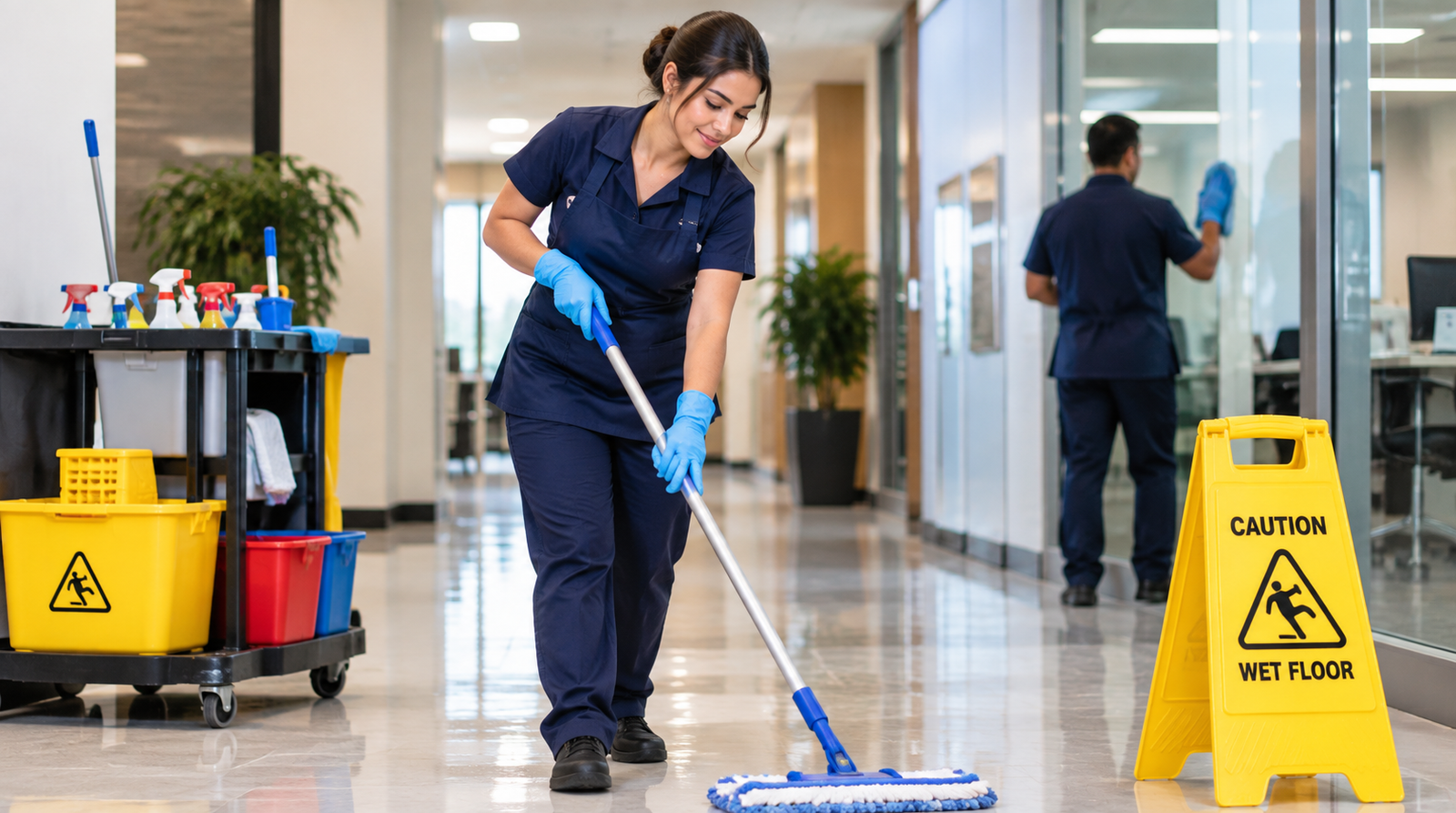
Some cleaning positions are suitable for people with little or no previous professional experience, while specialized environments may require additional training.
Understanding the responsibilities, schedules, physical requirements, and different types of cleaning work can help you decide which opportunities may suit you.
What Does a Cleaner Do?
A cleaner’s responsibilities depend on the workplace and employer.
Typical duties may include sweeping, mopping, vacuuming, dusting, sanitizing surfaces, cleaning bathrooms, emptying waste bins, washing windows, changing linens, and restocking supplies.
Cleaners may also be responsible for reporting damaged equipment, safety hazards, or maintenance problems.
Some workplaces provide detailed cleaning schedules that specify which areas need to be cleaned and how frequently.
Common Types of Cleaning Jobs
Cleaning work is available across several industries.
Hotel Housekeeping
Hotel housekeepers generally clean guest rooms and shared areas.
Responsibilities may include making beds, replacing linens and towels, cleaning bathrooms, vacuuming floors, removing waste, and replenishing guest supplies.
Hotels may require employees to clean several rooms during a shift, so organization and time management can be important.
Office Cleaning
Office cleaners maintain workplaces such as offices, meeting rooms, kitchens, bathrooms, and common areas.
Some office-cleaning positions take place outside normal business hours, including early mornings, evenings, or nights.
Residential Cleaning
Residential cleaners work in houses, apartments, and other private residences.
Tasks can include vacuuming, mopping, dusting, bathroom cleaning, kitchen cleaning, and general household cleaning.
Workers may clean one property or travel between several customers during the day.
Commercial Cleaning
Commercial cleaners work in environments such as shopping centers, stores, restaurants, warehouses, and other business properties.
Responsibilities depend on the type and size of the facility.
Healthcare Cleaning
Hospitals, clinics, care facilities, and other healthcare environments require particularly careful cleaning and sanitation.
These positions may involve additional procedures, protective equipment, training, or infection-control requirements.
Always check the employer’s qualifications for specialized cleaning positions.
Do Cleaning Jobs Require Experience?
Many general cleaning jobs may be available to applicants without extensive previous experience.
Employers can provide training on cleaning procedures, equipment, workplace rules, and safety requirements.
Previous experience may be preferred or required for specialized cleaning, supervisory positions, certain equipment, or environments with stricter sanitation requirements.
Read each job description carefully because requirements vary.
Useful Skills for Cleaning Work
Attention to detail is important because cleaners are expected to notice areas that require cleaning and complete their assigned tasks thoroughly.
Time management can also be valuable, particularly when several rooms or areas must be completed during one shift.
Other useful qualities include reliability, organization, the ability to follow instructions, and working independently when required.
Some positions also involve interacting with customers, guests, patients, or other employees, making basic communication skills useful.
Physical Requirements
Cleaning can be physically demanding.
Workers may spend much of their shift standing, walking, bending, reaching, pushing equipment, or carrying cleaning supplies.
Some positions may require lifting particular weights or moving furniture and equipment.
The physical requirements should be explained in the job description. Review them before applying if this is important to you.
Cleaning Products and Equipment
Depending on the workplace, cleaners may use vacuum cleaners, mops, buckets, cleaning carts, floor-cleaning machines, disinfectants, detergents, and other products.
Employers should provide instructions for using workplace equipment and cleaning chemicals safely.
Workers should follow product instructions and workplace safety procedures rather than mixing or using cleaning chemicals in unapproved ways.
Work Schedules
Cleaning schedules vary considerably.
Hotels may require workers during mornings, afternoons, weekends, and holidays.
Office cleaners may work in the evening after employees leave.
Commercial facilities and healthcare environments may require cleaning throughout the day or night.
Positions can be full-time, part-time, temporary, seasonal, or contract-based depending on the employer.
Employee or Independent Cleaning Work
Not all cleaning opportunities use the same employment arrangement.
Some cleaners are employees of a hotel, hospital, office, cleaning company, or other organization.
Others may work independently or provide services to individual customers.
Before accepting a position, understand whether you will be an employee, contractor, or self-employed worker because responsibilities, expenses, benefits, and tax arrangements can differ.
Opportunities for Advancement
Experienced cleaning workers may sometimes move into positions such as team leader, housekeeping supervisor, cleaning supervisor, or facilities-related roles.
Advancement depends on the employer, experience, performance, qualifications, and available positions.
Additional training may also help workers qualify for specialized cleaning or equipment-related responsibilities.
What to Check Before Applying
Read the complete job listing before submitting an application.
Check the workplace location, expected schedule, duties, experience requirements, physical requirements, employment arrangement, and compensation information.
If the position requires travel between different properties, check whether transportation is provided or whether workers need their own vehicle.
Preparing Your Application
Make sure your contact information and availability are accurate.
If a résumé is requested, include previous employment and any experience involving cleaning, housekeeping, hospitality, customer service, maintenance, or similar responsibilities.
Applicants without professional cleaning experience can still mention relevant transferable skills such as reliability, organization, attention to detail, time management, and ability to follow procedures.
Avoiding Cleaning Job Scams
Be cautious with job advertisements that provide very little information about the employer or promise unusually high earnings without clearly explaining the work.
Research unfamiliar companies before providing sensitive information.
Be especially careful if someone asks you to pay money simply to submit a job application or requests unusual financial transactions as part of the hiring process.
Use established job-search services and official employer websites whenever possible.
Searching for Cleaning Jobs
Try several related search terms when looking for opportunities.
Depending on the type of work you want, useful job titles can include cleaner, housekeeper, room attendant, janitor, office cleaner, commercial cleaner, custodial worker, or housekeeping attendant.
Searching different titles can help you discover opportunities that may not appear under the general term “cleaning jobs.”
Find Current Cleaning Opportunities
Cleaning work exists in many industries and can provide opportunities for both experienced workers and people entering the field.
Compare different positions and consider the schedule, workplace, transportation requirements, physical demands, compensation, and employment arrangement before deciding where to apply.
Because vacancies change frequently, check the latest details directly with the employer or job-search platform.
Disclaimer: This website provides general job-search information and is not an employer or recruitment agency. It does not guarantee employment, interviews, job availability, compensation, or hiring outcomes. Job listings and applications may be provided by independent employers or third-party websites. Always verify the employer and job details before applying.